R2v3 Appendix B: Data Sanitization
R2v3's Appendix B sets the rules for data sanitization: a documented plan, approved methods, verification, and records. Here's what it requires.
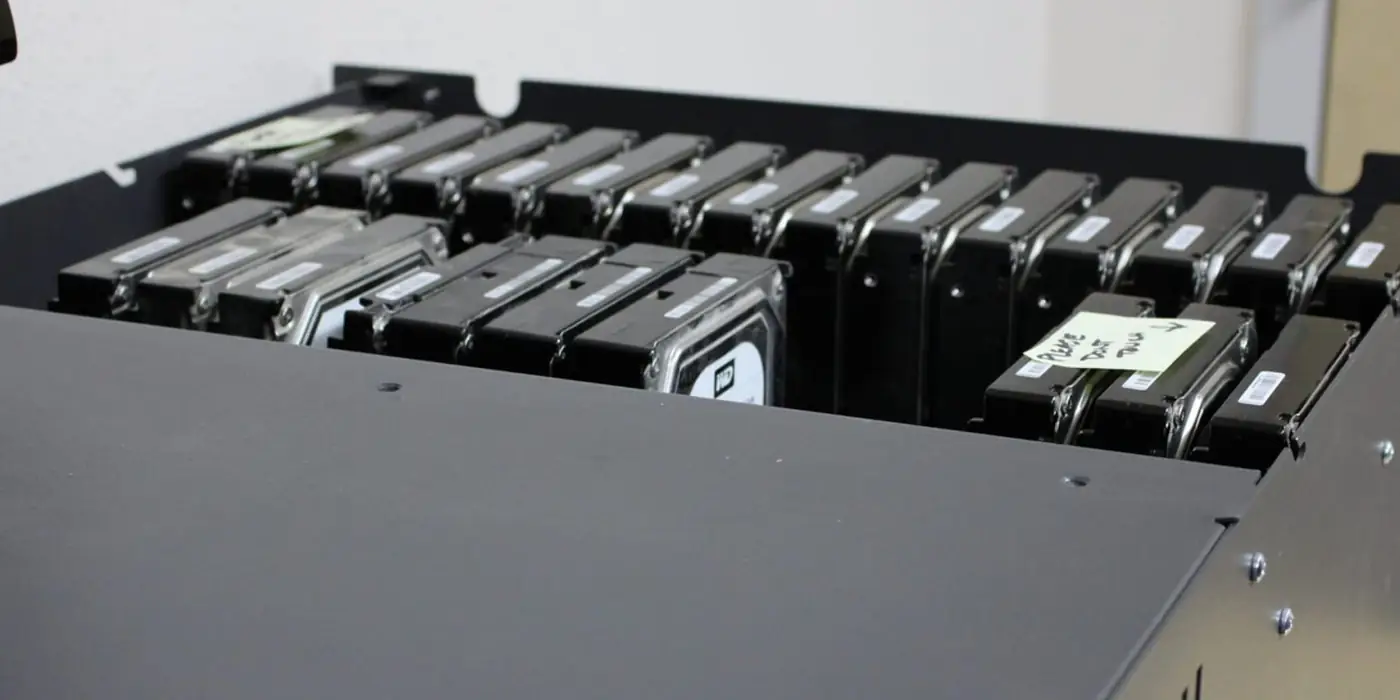
R2v3’s 10 core requirements apply to every certified facility. The appendices add the specifics for what a facility actually does — and Appendix B is the one that governs data sanitization. If a facility wipes drives or destroys media, Appendix B applies, and our certification scope includes it. So these are the rules behind our wiping and destruction work.
(As with our other standards posts, this is our educational summary, not SERI’s official interpretation.)
This is a different angle from our earlier post on wiping devices the HIPAA-safe way. That one explained why proper sanitization matters for healthcare organizations. This one is about what the standard itself demands of the facility doing the work.
A documented plan first
Appendix B starts with paperwork, not wiping. The facility must have a written data sanitization plan covering each type of media it handles and each method it uses. The procedure is documented before any device is wiped, and staff follow it — no improvising from one batch to the next.
Approved methods, matched to the media
Sanitization isn’t one technique. Logical erasure — wiping — is for media that will be reused. Physical destruction is for media that can’t be reliably wiped or is too sensitive to risk. The methods follow recognized standards, and the method has to fit the media and what happens to it next.
Our own procedure follows the NIST 800-88 framework: a 3-pass wipe — which exceeds the standard’s Clear bar — or the Purge method (such as cryptographic erase) when the device supports it. Media that can’t be wiped or purged is physically destroyed.
Verification, not assumption
A wipe isn’t done just because the software said so. Appendix B requires verification that sanitization actually worked — checking results rather than assuming them. If verification fails, the media doesn’t move on as sanitized; it gets re-processed or destroyed.
Records for every batch
What was sanitized, how, when, and the verification result — all documented. That’s what makes a certificate of destruction meaningful: it’s backed by records, not just a promise. When an auditor asks how a facility knows its sanitization worked, the records are the answer.
What this means for you
When you hand devices to a facility certified to Appendix B, you can ask four questions: what’s your sanitization plan, what methods do you use for each type of media, how do you verify the results, and what records do you keep? A facility that answers clearly is one taking the standard seriously.
See how wiping works for HIPAA compliance or schedule a free pickup to get started.